
Waving Goodbye to Winter
As we reflect on Winter at Polcoombe, one word comes to mind - wet!
It really felt like Mother Nature was digging in her heels this year, and we saw Cornwall's wettest January since records began - some 156% of the long-term average. The Atlantic delivered a relentless assault, barely stopping to breathe between downpours.
However, when you’re choosing to promote natural regeneration and provide new habitats for native species to thrive, stormy weather isn’t always a bad thing!
Rain and wind create important and specific habitats. In Cornwall, we are lucky enough to host many areas of Temperate Rainforest - ancient woodland that thrives with high rainfall and high humidity, bolstered by our mild Southern winters. This brings rich biodiversity in fauna such as lichens, mosses, and ferns. Deadwood from fallen trees also provide valuable habitats for small mammals, invertebrates and fungi.
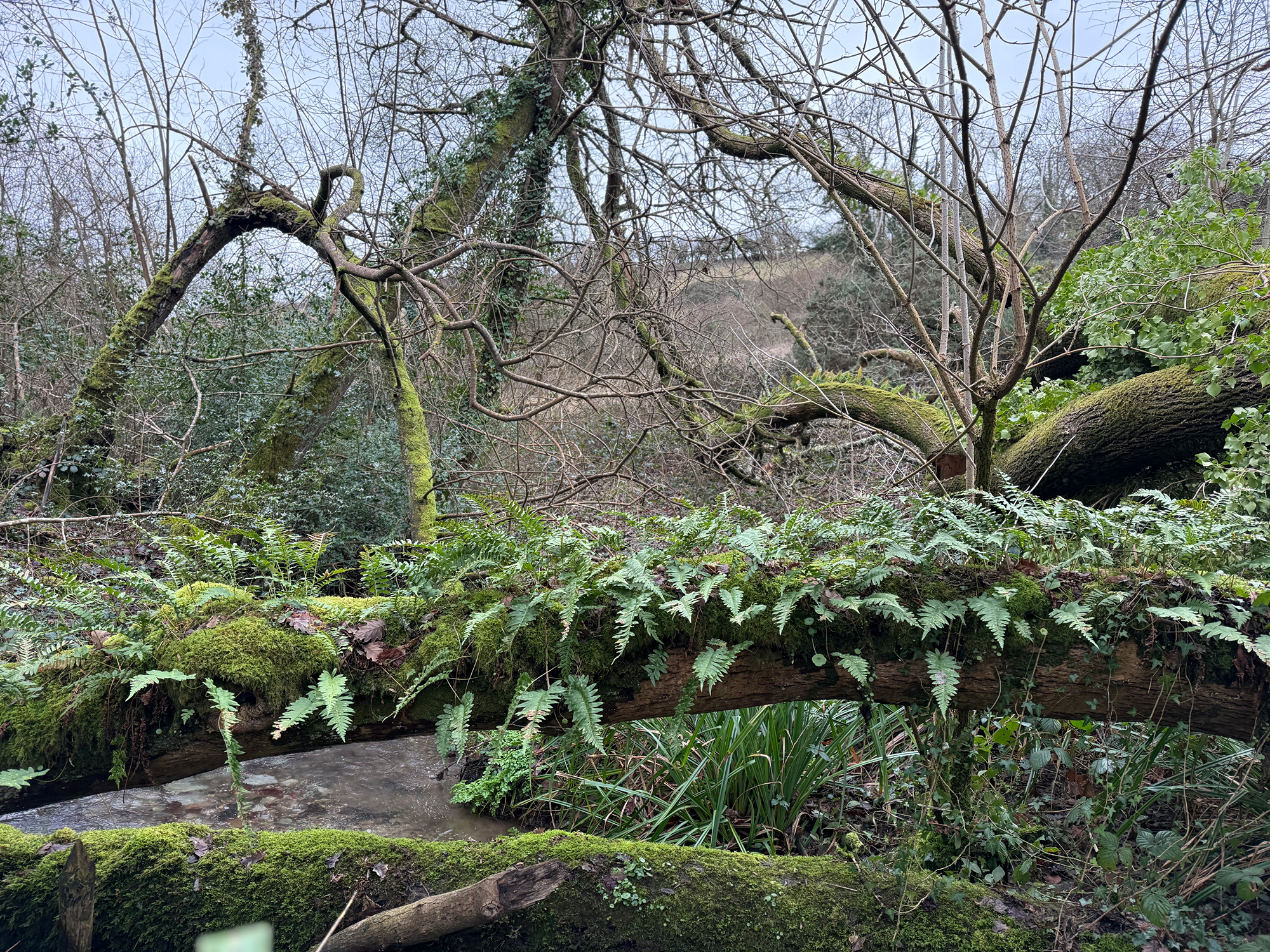
With the days finally growing longer, we take stock of what was happening on the land in December, January and February - and, with new life blossoming throughout the valley, we look forward to what’s to come in March, April and May.
Land Management
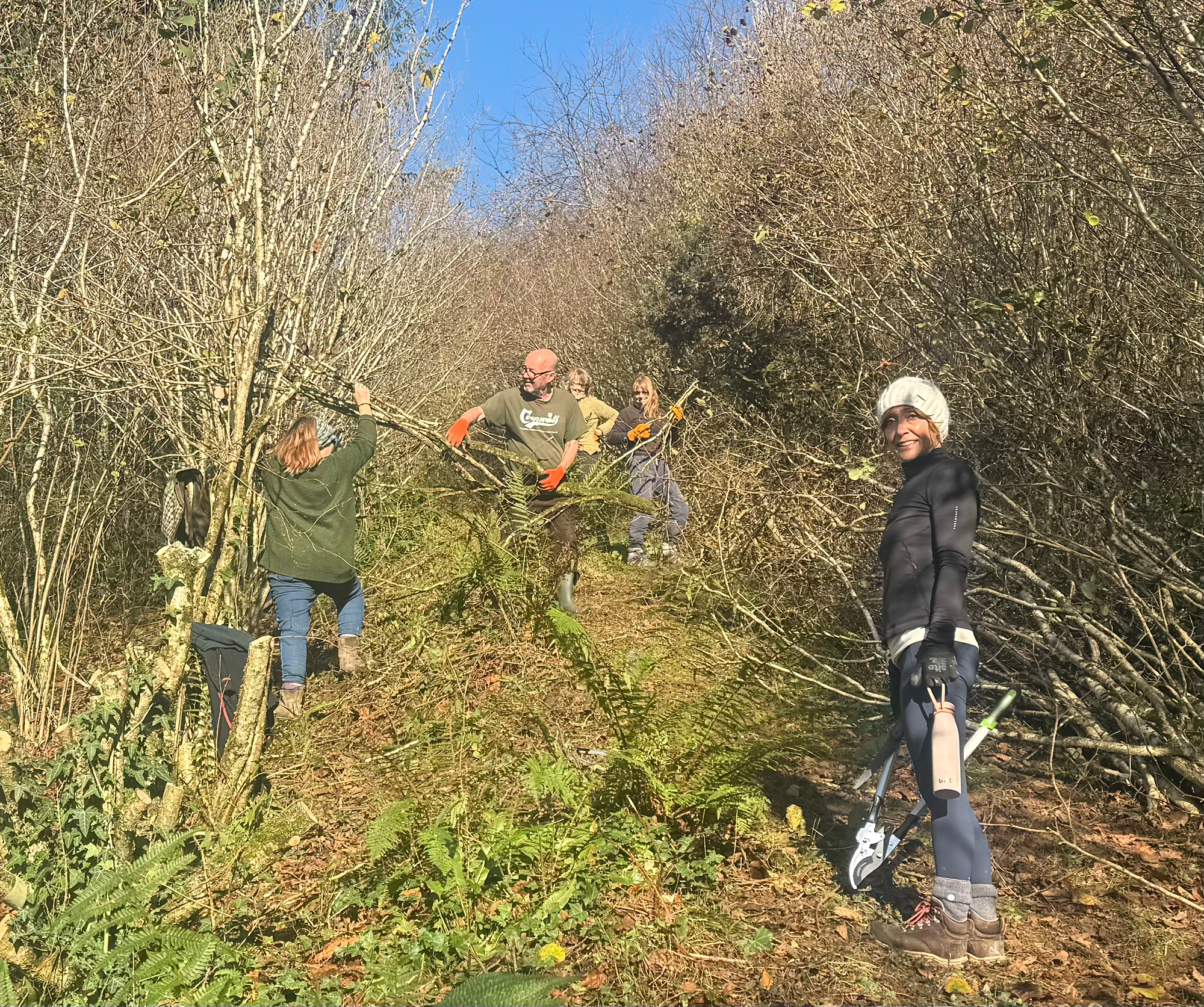
Our pre-Christmas Community Coppicing Days allowed members of the local community to take a little time to reconnect with the outdoors as the festive season gathered pace.
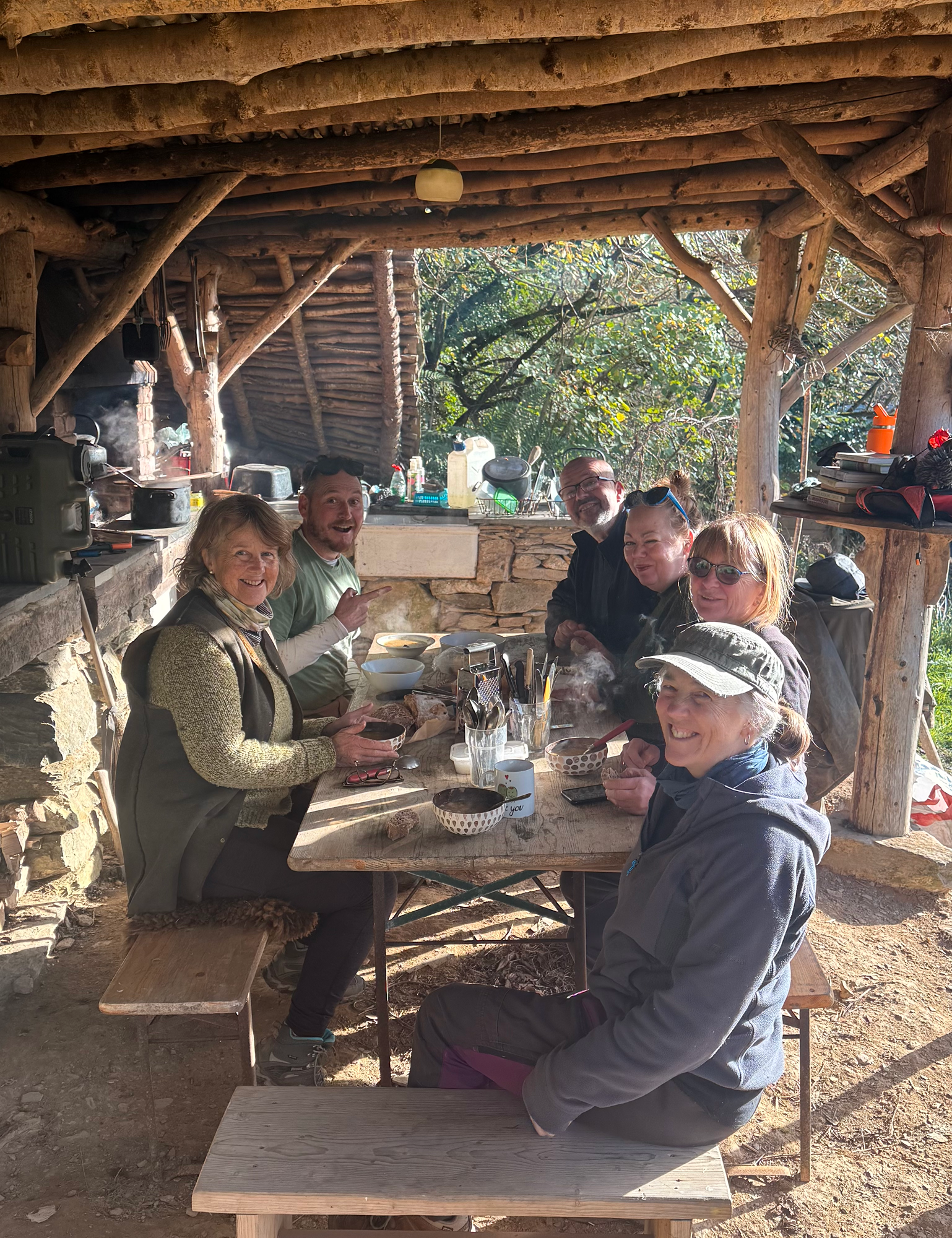
We spent some relaxed mornings working together in the woodland, learning simple coppicing skills, caring for the habitat, and enjoying good company in the fresh winter air. A joyful partnership of Maz’s sourdough and Jammin’s minestrone soup was also formed!
Not only did these days offer everyone involved a great chance to slow down and feel grounded, it also gave something back to the land. The volunteer coppicing led to the creation of a new glade and the widening of existing rides. This will allow more sunlight to reach the woodland floor and stimulate the growth of ground flora. In turn, this should provide a valuable habitat and a nectar source for bees, butterflies and other invertebrates.
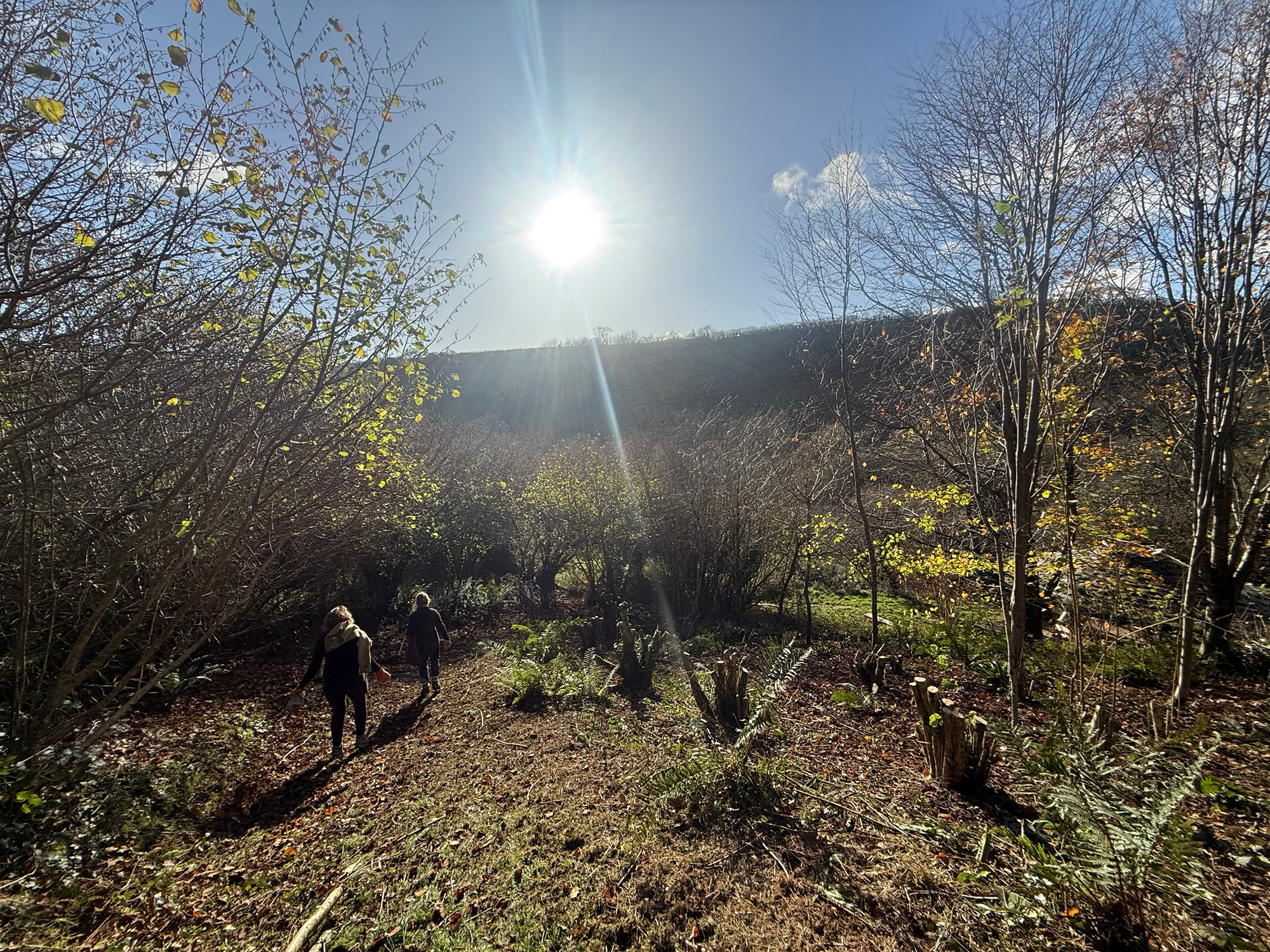
Unfortunately, frequent storms, and the subsequent slippery, muddy conditions, prevented further community work days for the rest of winter.
That being said, work on the land did continue - thanks to a few seasoned professionals.
The majority of tracks and rides have now been widened and more new glades have been created. Sadly, a few veteran Ash trees succumbed to the combination of high winds and ash dieback this winter. Where possible, we have left these in situ to provide valuable dead-wood habitat. Those that were blocking paths have been sympathetically tidied and helped replenish the log stores for future camps.
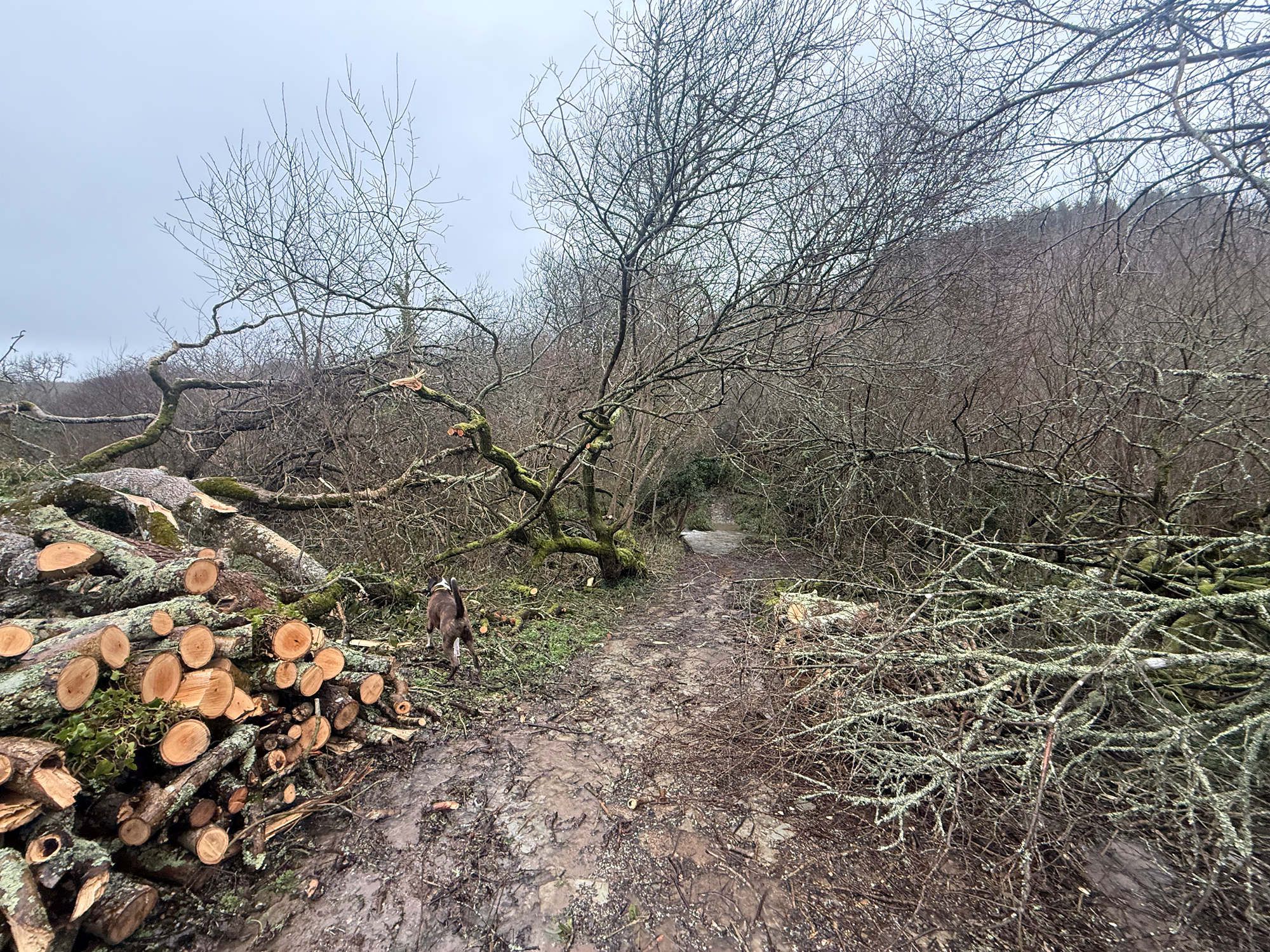
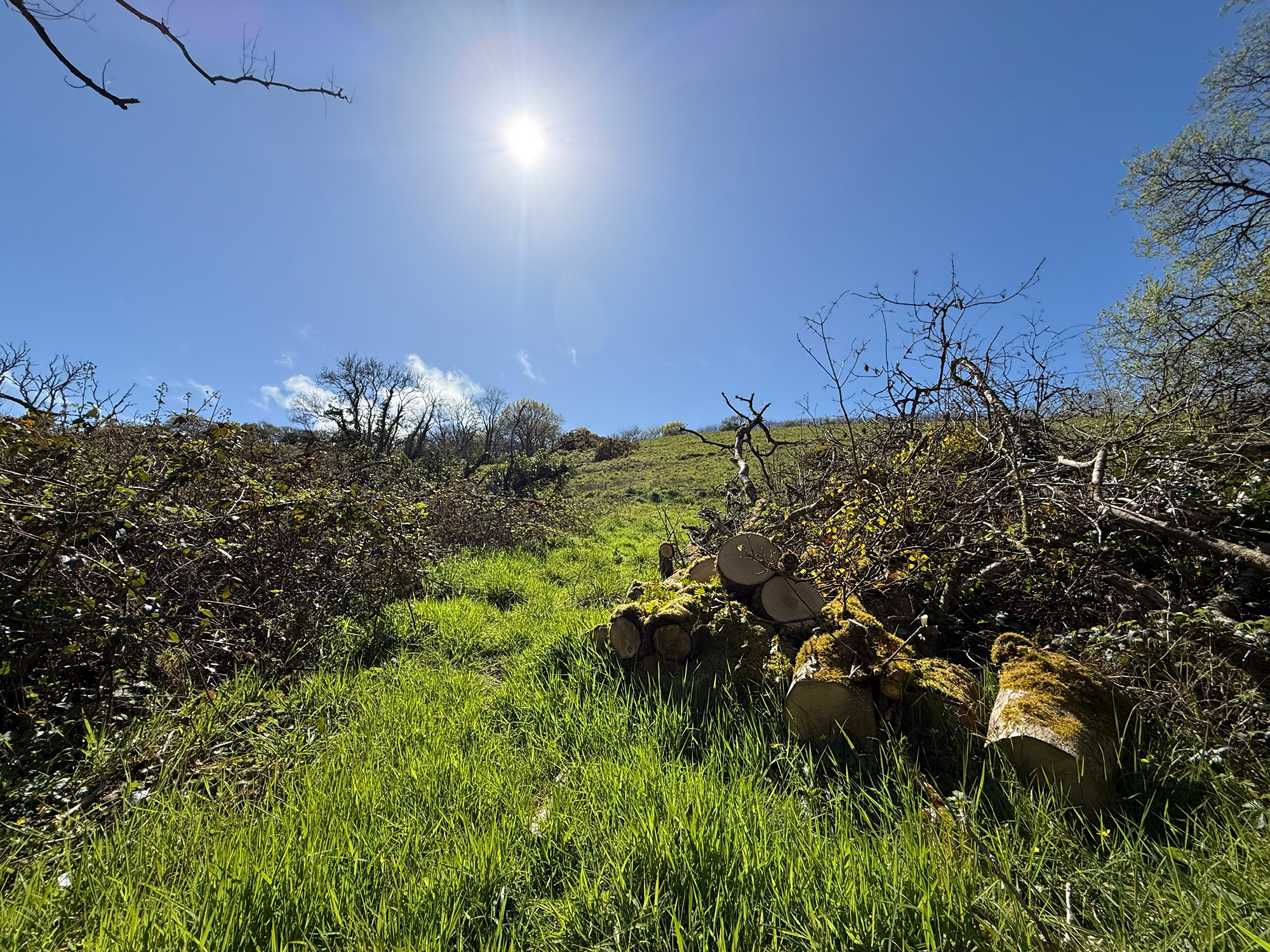
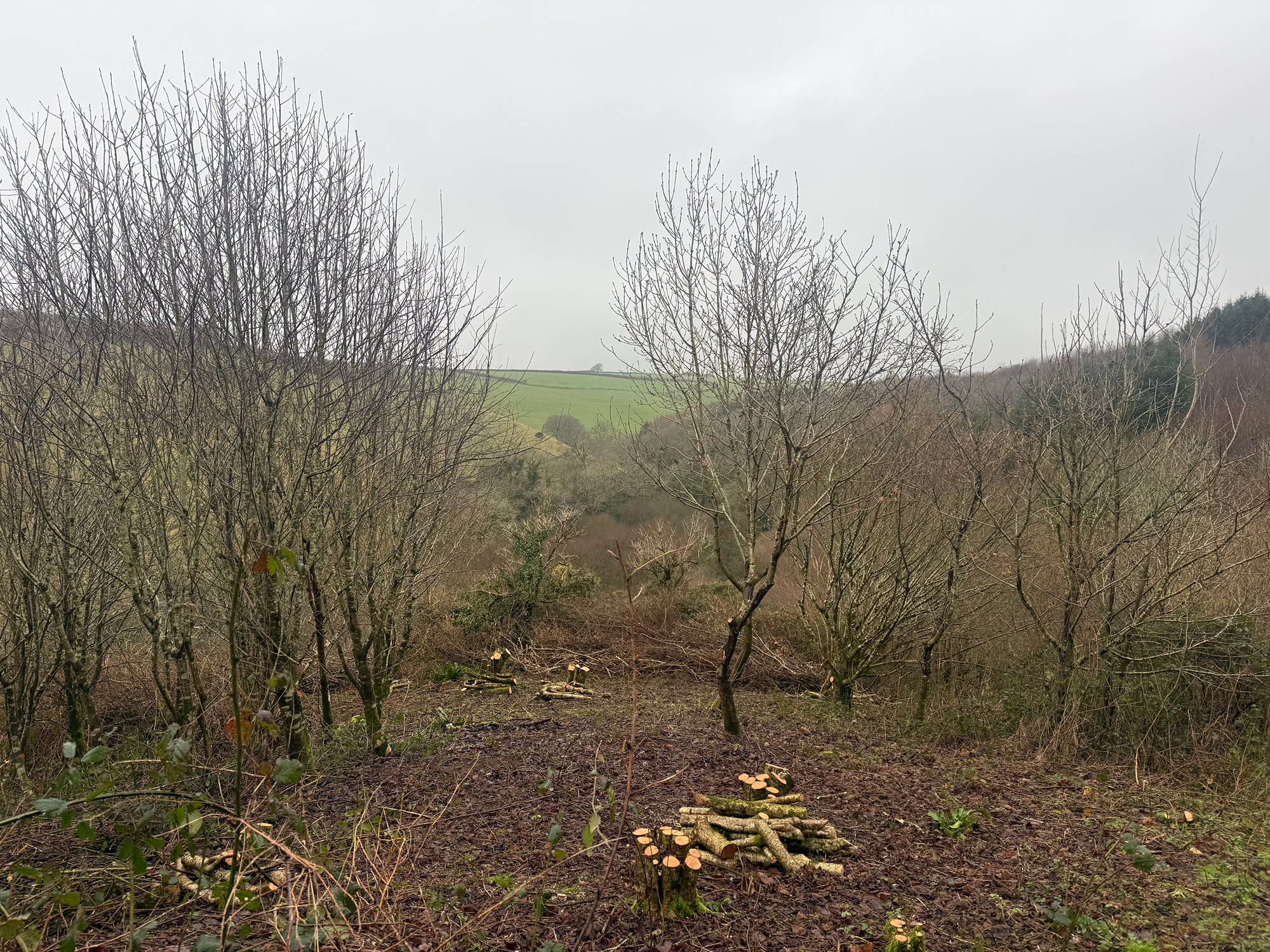
Any dangerous limbs were also removed from trees, particularly those on the road boundaries.
Our expert tree surgeons are very sensitive to wildlife and took time to create new habitat while they worked. This included leaving brash and log piles on the ground and encouraging the veteranisation of trees.
Instead of completely felling a potentially dangerous tree, the majority of the weight is taken out but the main trunk left standing. Artificial cavities can then be made using a chainsaw, creating features suitable for roosting bats.
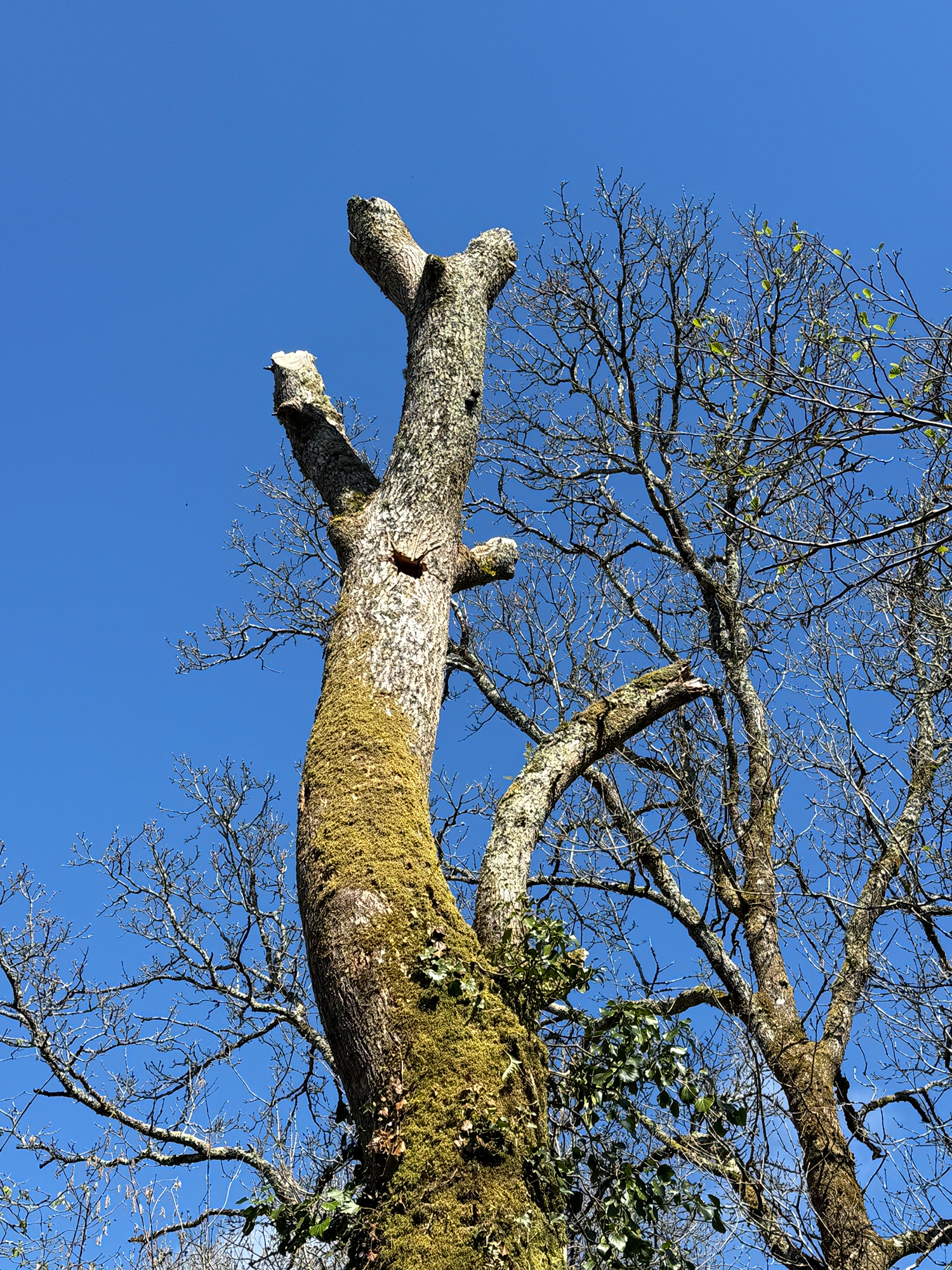
For more information on the forced veteranisation of trees see this article from the Sussex Wildlife Trust.
Wild Goings On!
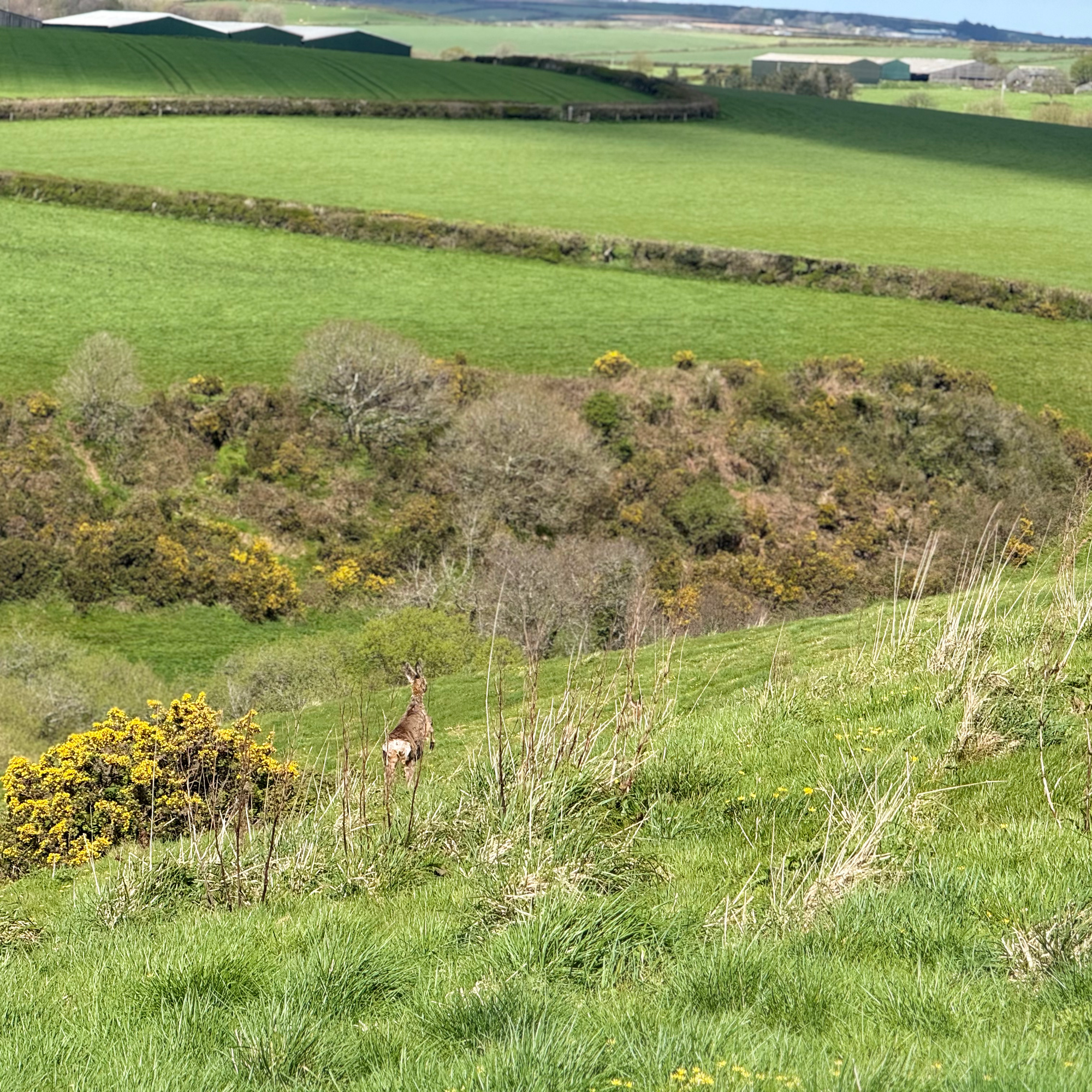
The group of Roe deer who live at Polcoombe were spotted frequently throughout the winter, although they tend to lie low and seek refuge in the sheltered areas of conifer and dense vegetation during this time. They also develop a specialised grey / brown winter coat, which provides high insulation against the cold.
In addition, there’s been an increased number of Woodcock sightings this winter, which are on the Birds of Conservation Concern Red List in the UK. Their numbers have dropped sharply over the past 20 years, with habitat degradation and fragmentation being primary drivers. Woodcocks are ground nesting birds, with excellent camouflage made up of mottled browns.
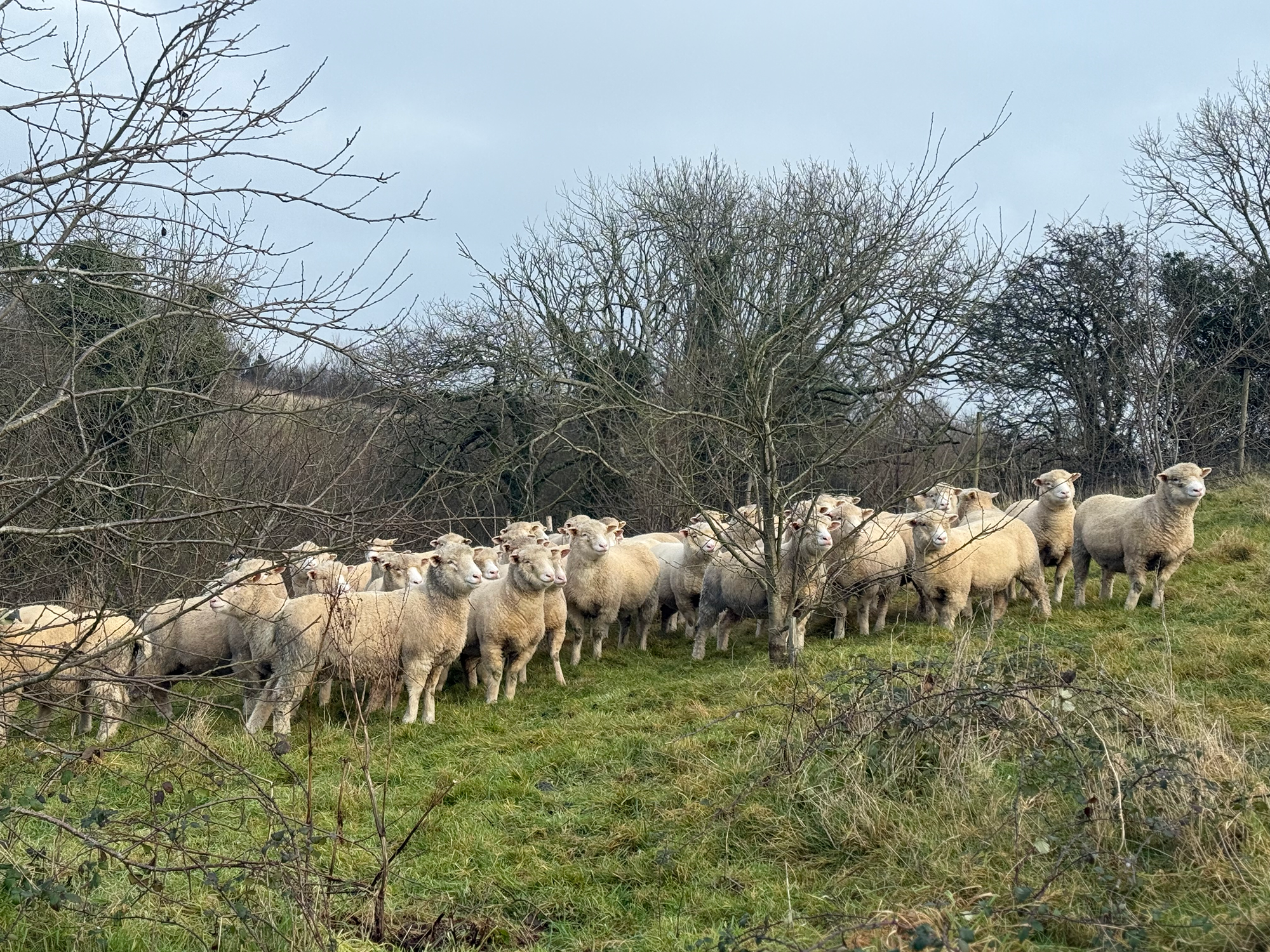
In January we also had a visit from a herd of local sheep. Whilst not so wild, we were able to help the farmer with some high quality winter grazing and, in return, the flock helped us with some low intensity grazing in the orchard and surrounding fields.
We are exploring how we might introduce an intermittent grazing regime to help boost the diversity of the grasslands. Time will tell whether the sheep may be able to help with this but, in the short term, they helped reduce our need to mechanically cut the grass - and added some valuable organic matter to the soil!
Looking Forward...
With the promise of brighter days comes a smorgasbord of edible plant growth. This means our Spring Forage & Feast days are back on the menu!
Keep an eye on our Facebook page for more information and updates on our regular community activities and conservation days.
Sticking with the foodie theme, our friend Maz will be running a Fermented Food Workshop on Sunday 7th June.
Join us for an Introduction to fermenting and fermented food, including hands on making, tasters and take homes! Tickets are £30 for the 3 hour workshop and places are limited. So, please Get in Touch if you’d like to attend.
Finally, some BIG NEWS!!!!
We are planning a BioBlitz for our 10 year anniversary!!
A BioBlitz is a survey carried out over a short period, usually 24–48 hours - and we need your help!! Team up with our ecologists to identify as many species as possible in a specific area.
A variety of events will be happening across the weekend of Saturday 18th and Sunday 19th July.
We’ll look at:
Birds;
Mammals;
Butterflies, Moths and Other Flying Insects;
Our Waterways; and
A nighttime Bat Walk!
Most sessions are suitable for all ages, but we'll have some extra activities taking place for the littlest ones.
Please put the date(s) in your diary and come along to join in the fun!
---
As always, we welcome enquiries from local groups, educators, craftspeople / creators and nature based organisations seeking a dedicated space for community events or workshops.
---
By: Becky Whittaker
Comments